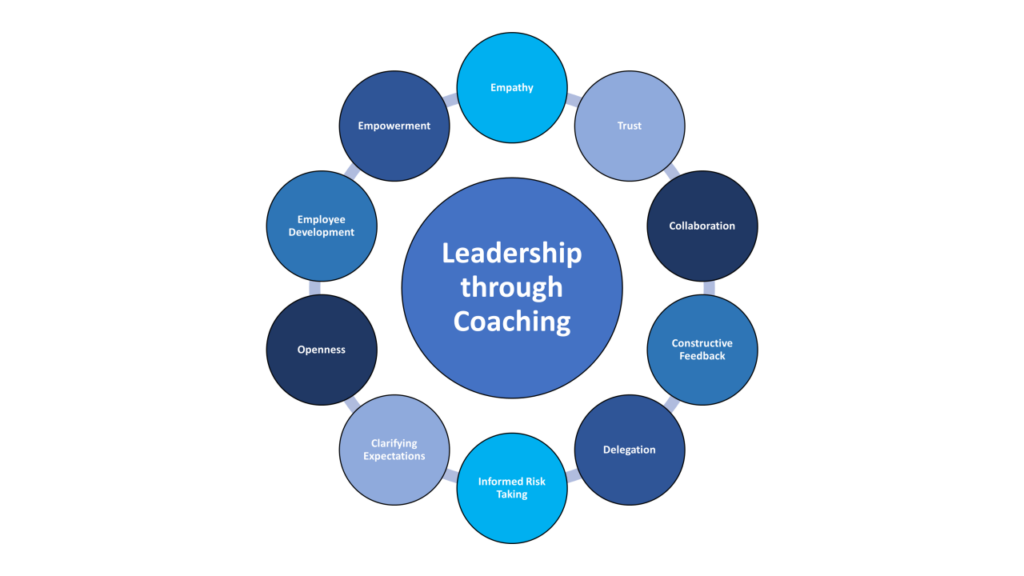
Leadership coaching has become an essential practice for organizations that want to develop confident, capable, and self-aware leaders. Rather than focusing only on technical skills, leadership coaching emphasizes mindset, behavior, and emotional intelligence. Leaders who receive coaching gain a clearer understanding of their strengths, blind spots, and leadership style, which allows them to lead with greater authenticity and impact.
In today’s fast-changing business environment, leaders face constant pressure to adapt, inspire teams, and make complex decisions. Leadership Coaching provides a structured space for reflection and growth. Through guided conversations and practical exercises, leaders learn how to communicate more effectively, manage stress, and align their actions with organizational values. Over time, this results in leaders who are not only competent, but also trusted and respected.
Executive Coaching for Strategic Clarity and Influence
Executive coaching is a specialized form of coaching designed for senior leaders and decision-makers. At the executive level, the challenges are often less about operational tasks and more about strategy, influence, and long-term vision. Executive coaching helps leaders sharpen their strategic thinking while maintaining balance and clarity under pressure.
Executives frequently operate in isolation, where honest feedback is limited. Coaching provides a confidential environment where executives can openly discuss challenges, test ideas, and explore alternative perspectives. This process strengthens decision-making and helps leaders navigate complex stakeholder relationships. As a result, executives become more effective in guiding their organizations through change and uncertainty.
The Role of Self-Awareness in Leadership Effectiveness
A key outcome of both leadership and executive coaching is increased self-awareness. Leaders who understand how their behavior affects others are better equipped to build trust and credibility. Self-aware leaders listen more actively, respond thoughtfully, and adjust their approach based on the needs of their teams.
This awareness also supports ethical leadership. When leaders are conscious of their values and motivations, they are more likely to act with integrity. Coaching encourages leaders to reflect on their purpose and responsibility, creating a strong moral foundation that positively influences organizational culture.
Team Development as a Driver of Performance
While individual leadership is important, organizational success depends heavily on team effectiveness. Team development focuses on improving how teams communicate, collaborate, and solve problems together. Rather than treating performance issues as individual failures, team development looks at group dynamics and shared processes.
Effective team development initiatives help teams clarify roles, set shared goals, and establish norms for collaboration. When team members understand how their contributions fit into the bigger picture, engagement and accountability increase. Over time, teams become more resilient, adaptable, and capable of handling complex challenges.
Building Trust and Psychological Safety in Teams
Trust is the foundation of any high-performing team. Team development efforts often prioritize psychological safety, where team members feel comfortable sharing ideas, asking questions, and admitting mistakes. This environment encourages innovation and continuous improvement.
Leaders play a crucial role in fostering trust. Through coaching and development, leaders learn how to model openness, give constructive feedback, and address conflict in a healthy way. As trust grows, teams communicate more openly and collaborate more effectively, leading to stronger results.
Team Building Workshops as Experiential Learning
Team building workshops provide a practical and engaging way to strengthen relationships and collaboration within teams. Unlike traditional training sessions, team building workshops rely on experiential learning. Participants engage in activities that reveal communication patterns, problem-solving styles, and group dynamics.
Well-designed workshops are not just about fun activities; they are aligned with real workplace challenges. Facilitated reflection helps participants connect workshop experiences to daily work situations. This ensures that learning is meaningful and transferable, rather than temporary or superficial.
Aligning Team Building with Organizational Goals
For team building workshops to be effective, they must be aligned with organizational objectives. Random activities without a clear purpose often fail to deliver lasting impact. When workshops are designed around specific goals, such as improving collaboration across departments or strengthening leadership pipelines, the outcomes are far more valuable.
Alignment ensures that team building supports broader business priorities. Participants leave with a clearer understanding of how teamwork contributes to organizational success. This connection increases motivation and reinforces a shared sense of purpose.
Organizational Alignment as a Strategic Priority
Organizational alignment refers to the degree to which strategy, structure, culture, and people are working in harmony. Even the most talented leaders and teams struggle if the organization lacks alignment. Conflicting priorities, unclear goals, and inconsistent messaging create confusion and inefficiency.
Achieving alignment requires deliberate effort at all levels. Leaders must clearly communicate the organization’s vision and ensure that goals are translated into actionable priorities. When alignment is strong, employees understand what matters most and how their work contributes to overall success.
The Connection Between Leadership and Organizational Alignment
Leadership plays a central role in maintaining organizational alignment. Leaders set direction, model values, and reinforce priorities through their actions. Leadership coaching supports this process by helping leaders align their behavior with organizational goals.
When leaders are aligned, their teams are more likely to follow. Consistent leadership behavior creates clarity and stability, even during periods of change. Over time, this consistency strengthens organizational culture and performance.
Integrating Coaching, Team Development, and Alignment
Leadership coaching, executive coaching, team development, and team building workshops are most powerful when integrated into a cohesive strategy. Rather than treating these initiatives as separate programs, organizations benefit from viewing them as interconnected components of growth.
Coaching strengthens individual leaders, team development improves collaboration, and organizational alignment ensures that all efforts move in the same direction. This integrated approach creates a multiplier effect, where progress in one area supports improvement in others.
Supporting Change and Transformation
In times of organizational change, such as restructuring or rapid growth, coaching and development become even more critical. Leaders must guide teams through uncertainty while maintaining focus and morale. Coaching provides leaders with the tools to manage resistance, communicate transparently, and sustain momentum.
Team development and alignment initiatives help teams adapt to new ways of working. When people feel supported and included, they are more likely to embrace change rather than resist it. This reduces disruption and accelerates transformation.
Measuring Impact and Continuous Improvement
To ensure long-term value, organizations should regularly assess the impact of coaching and development initiatives. Feedback, performance metrics, and employee engagement data provide insight into what is working and where adjustments are needed.
Continuous improvement ensures that leadership development efforts remain relevant and effective. By refining approaches over time, organizations build a culture of learning and adaptability that supports sustained success.
Conclusion
Leadership coaching, executive coaching, team development, team building workshops, and organizational alignment are all essential elements of a high-performing organization. Together, they address both individual capability and collective effectiveness. Leaders become more self-aware and strategic, teams collaborate more effectively, and the organization moves forward with clarity and purpose.
When these elements are aligned, organizations are better equipped to navigate complexity, inspire people, and achieve sustainable growth. Investing in coaching and development is not just an investment in people, but an investment in the long-term health and success of the organization.